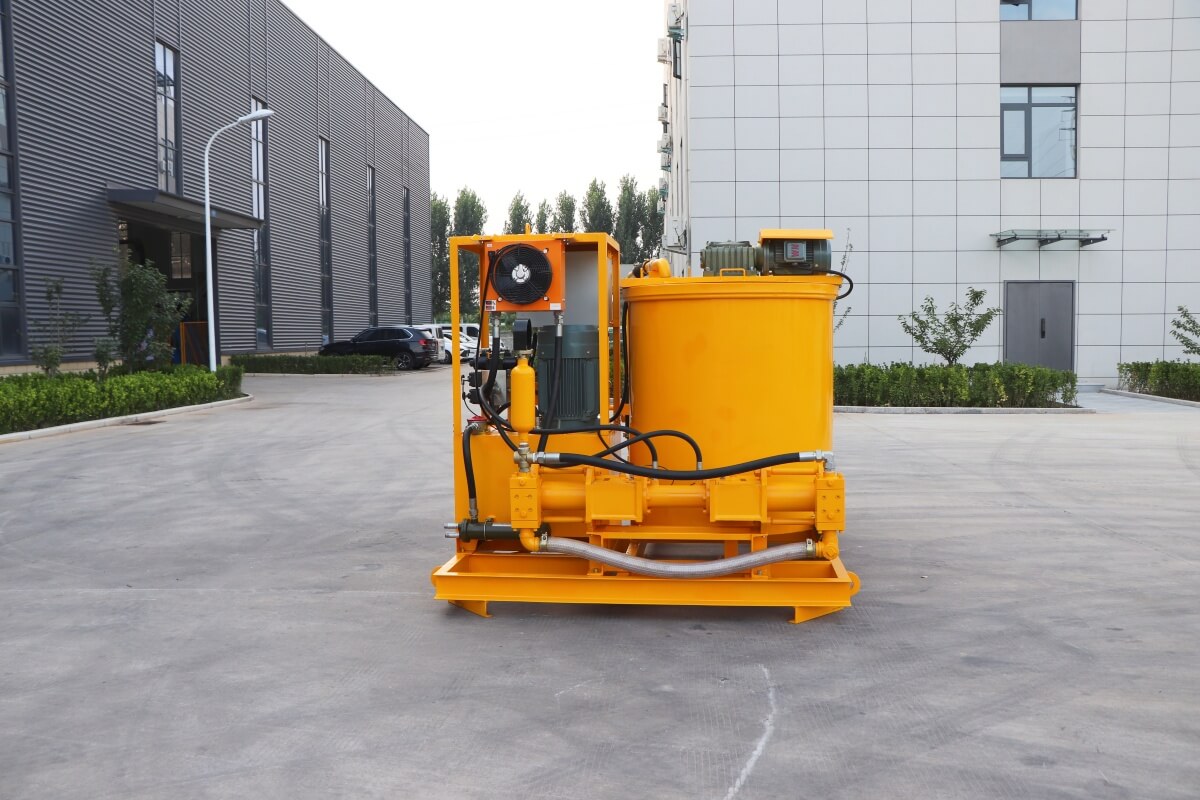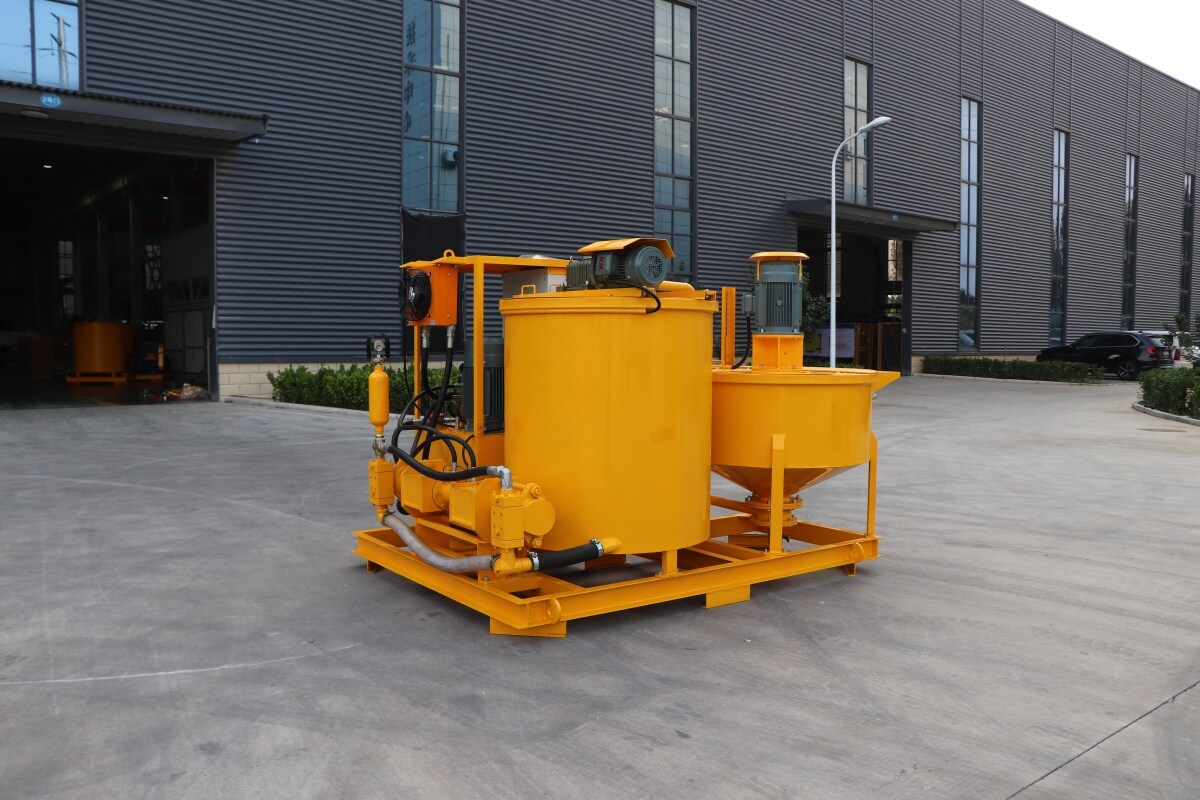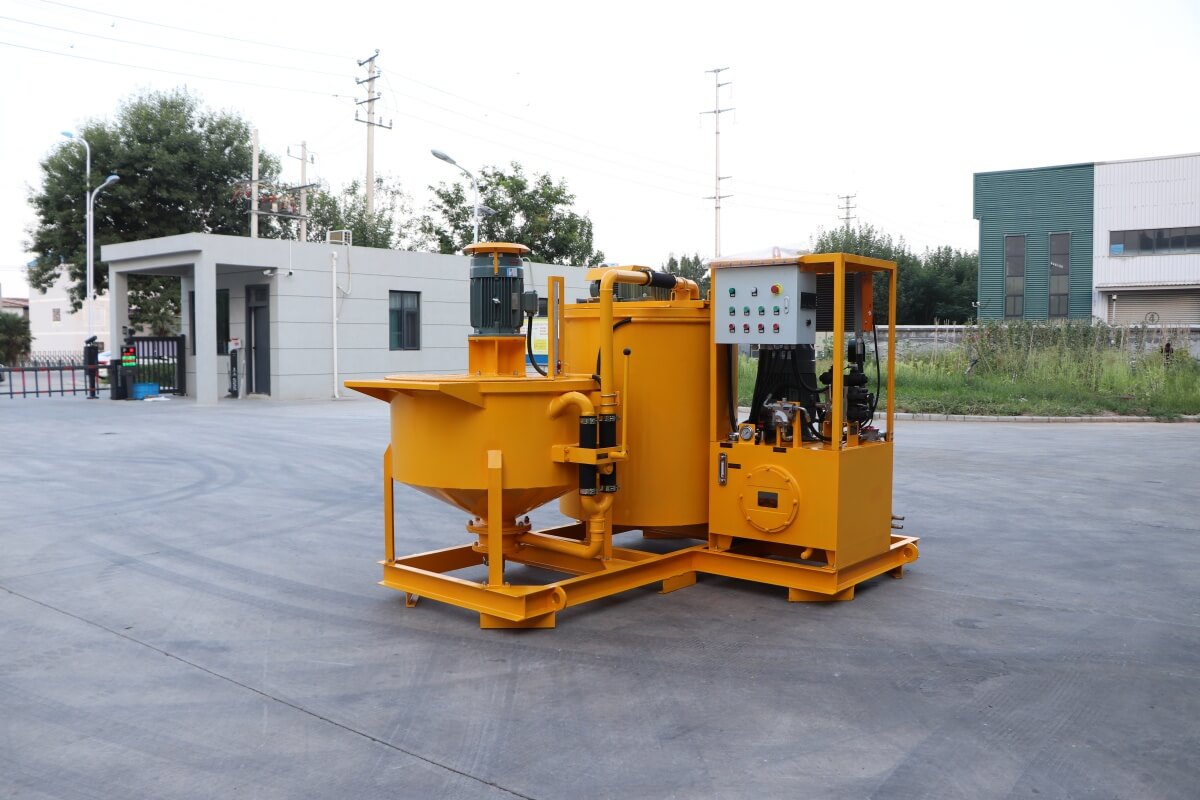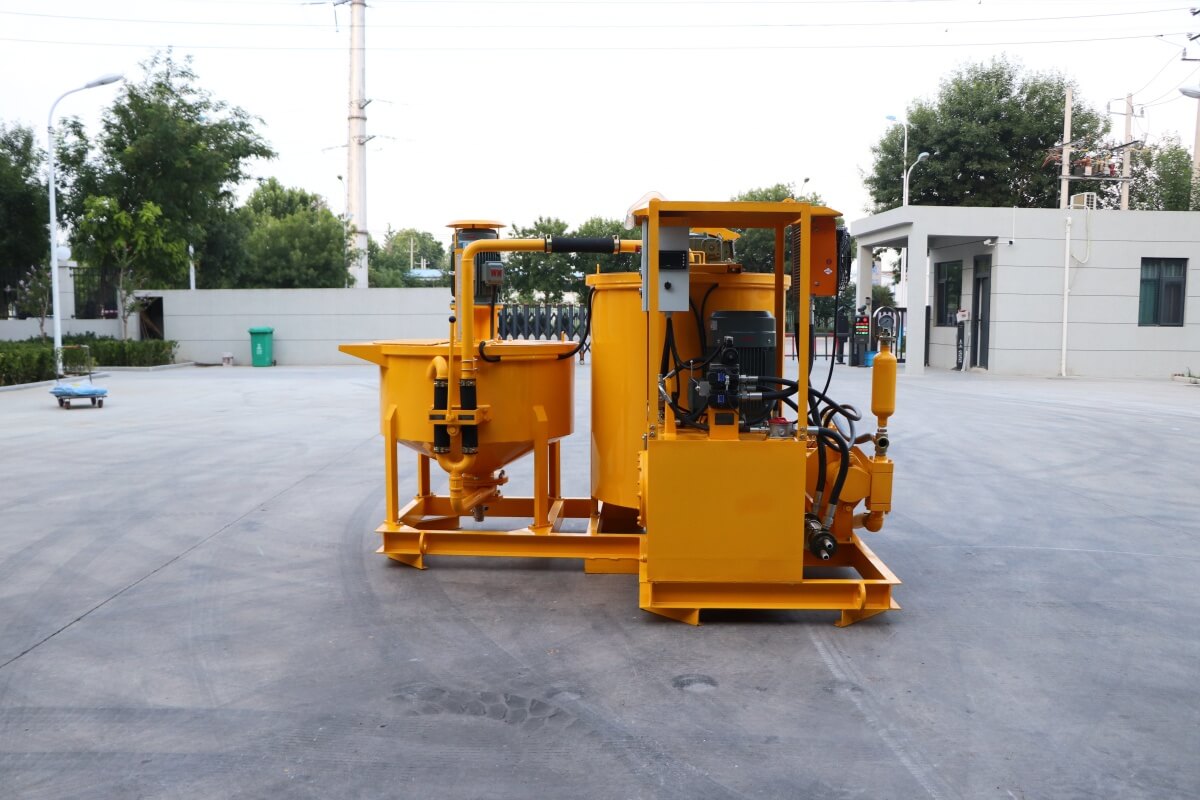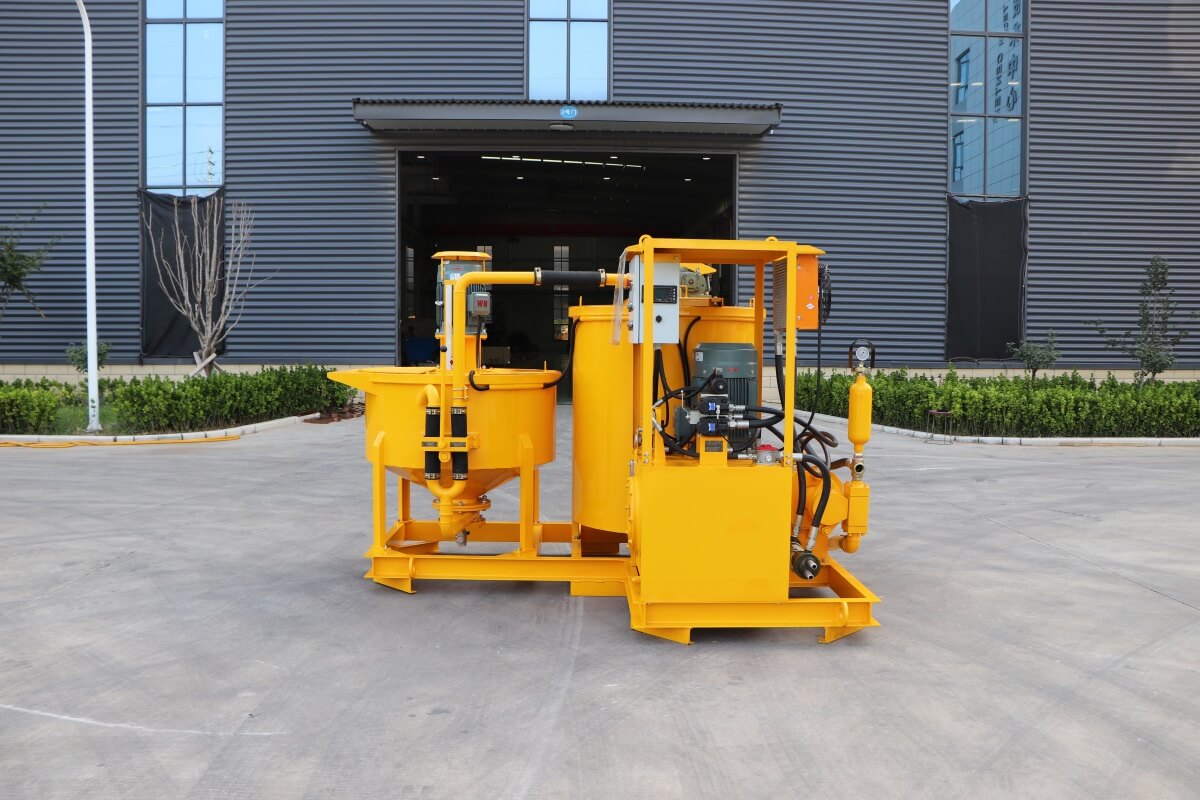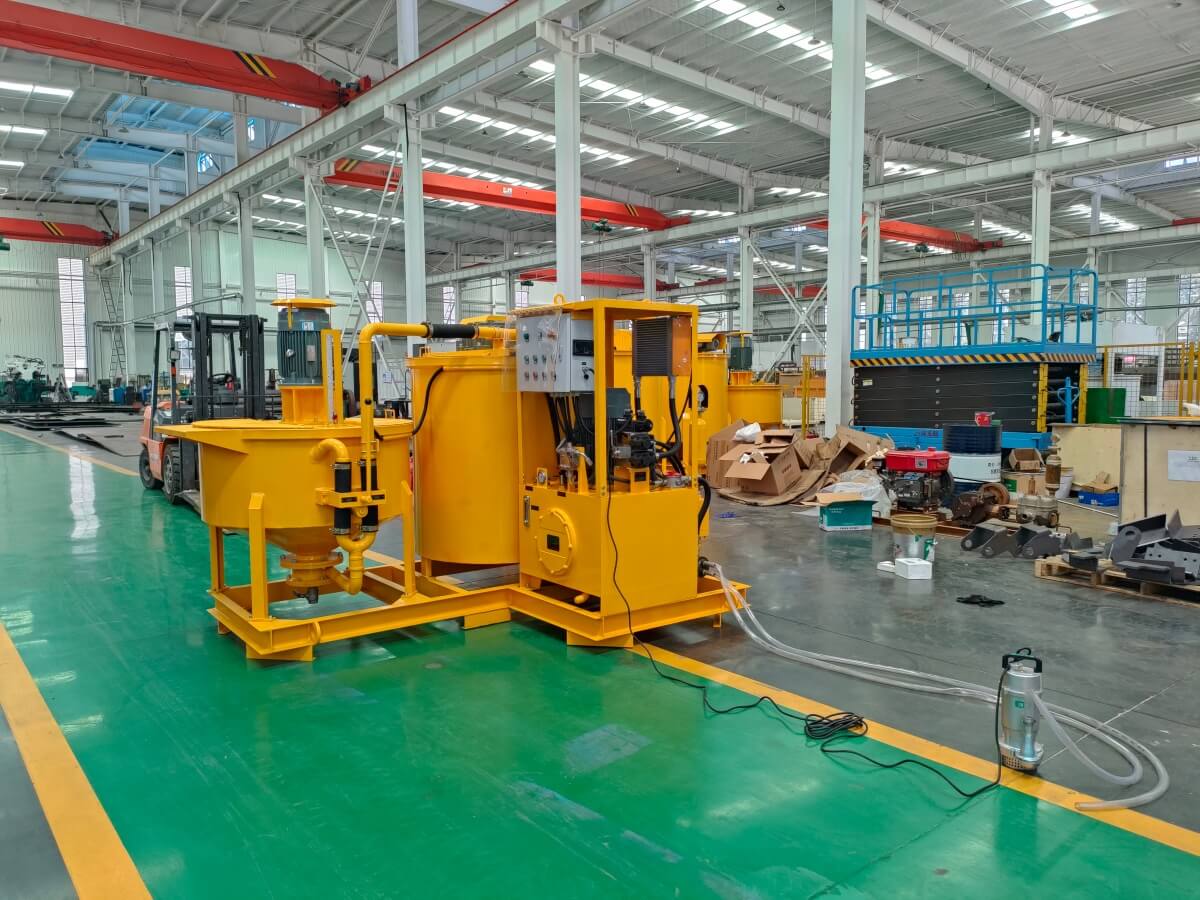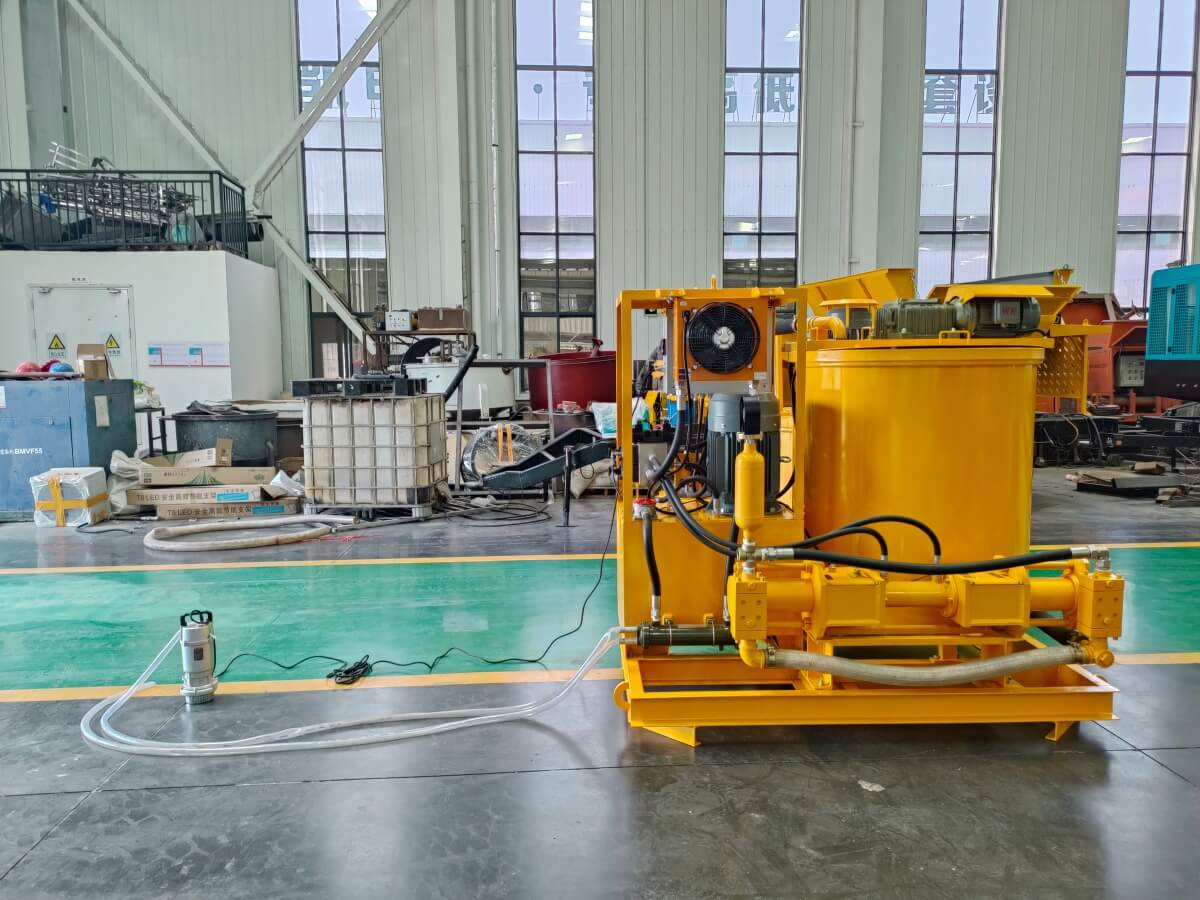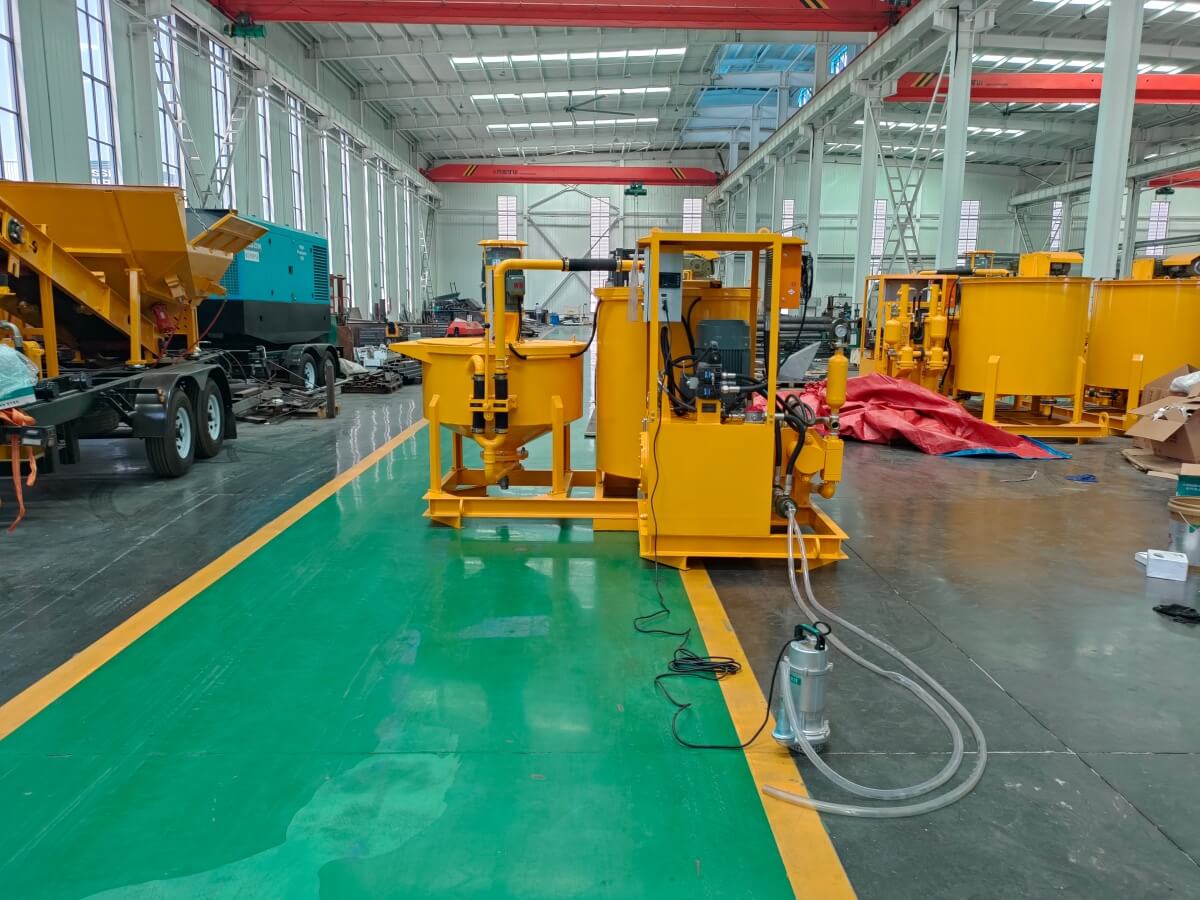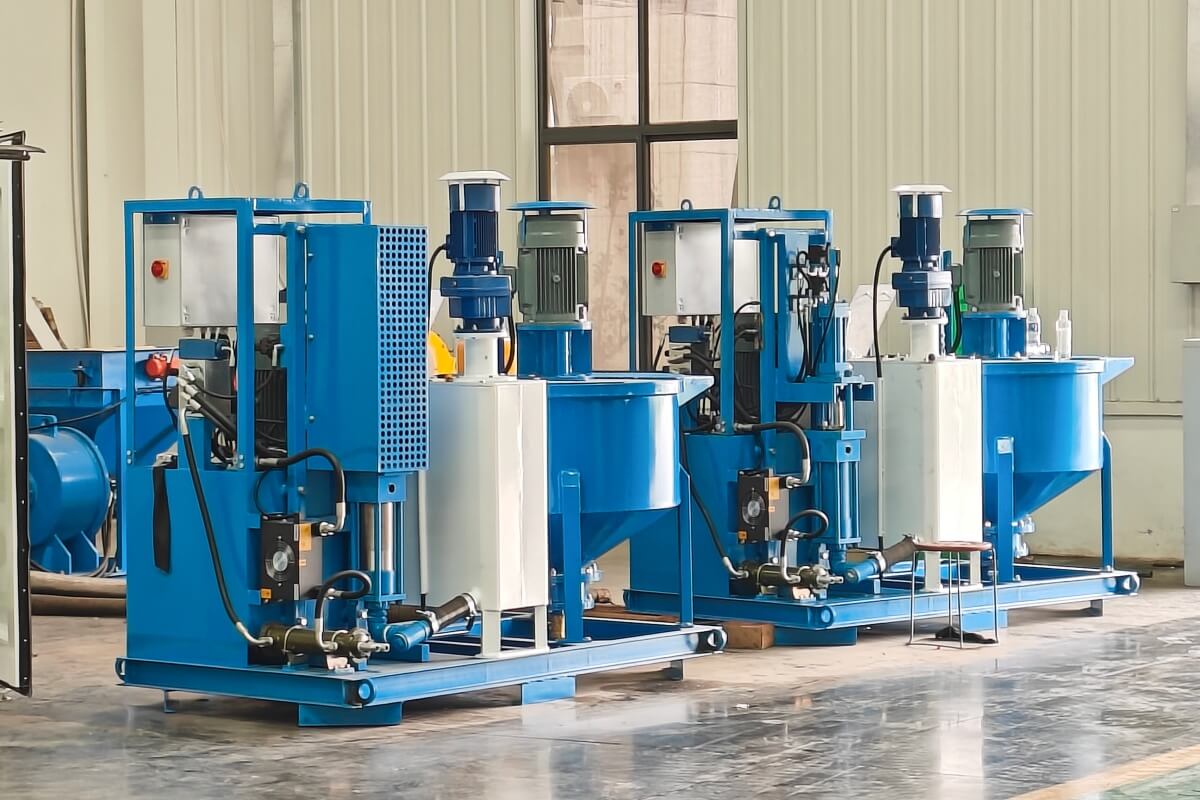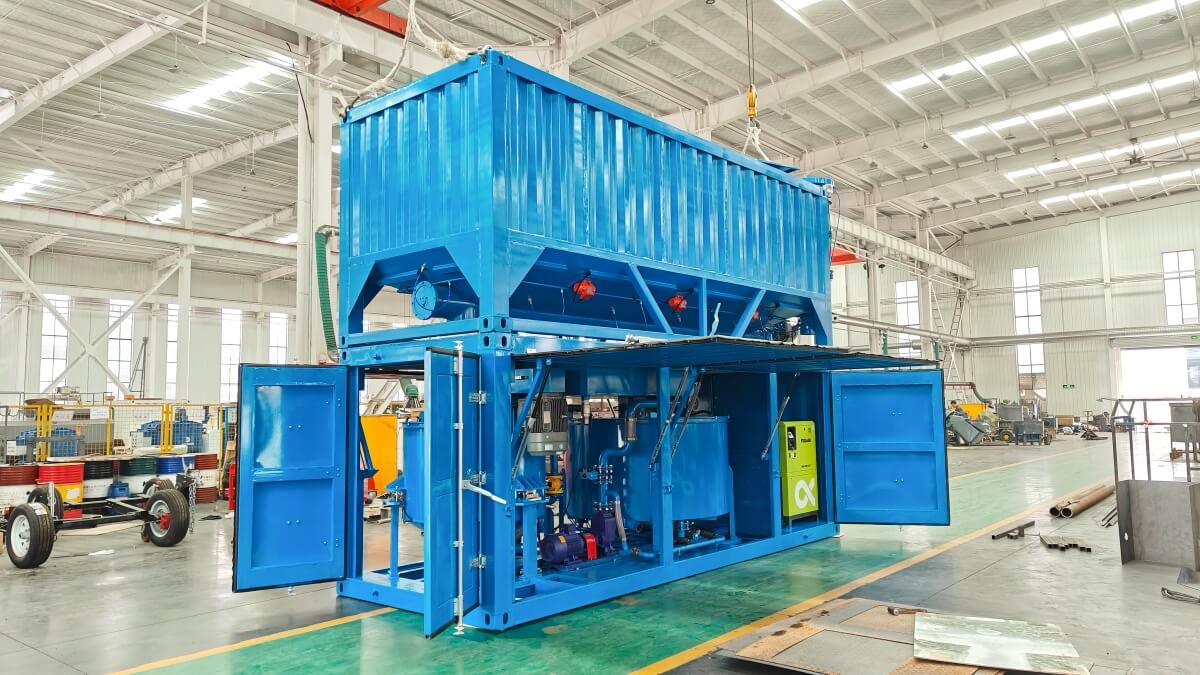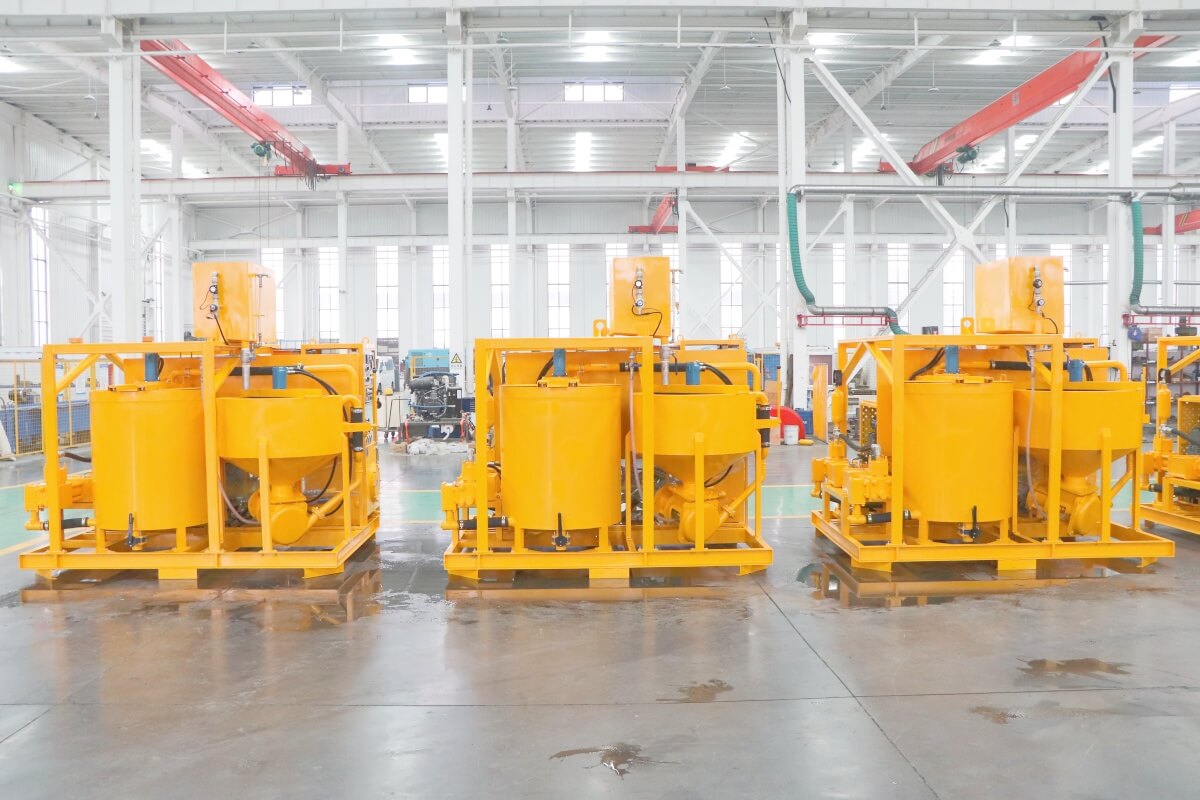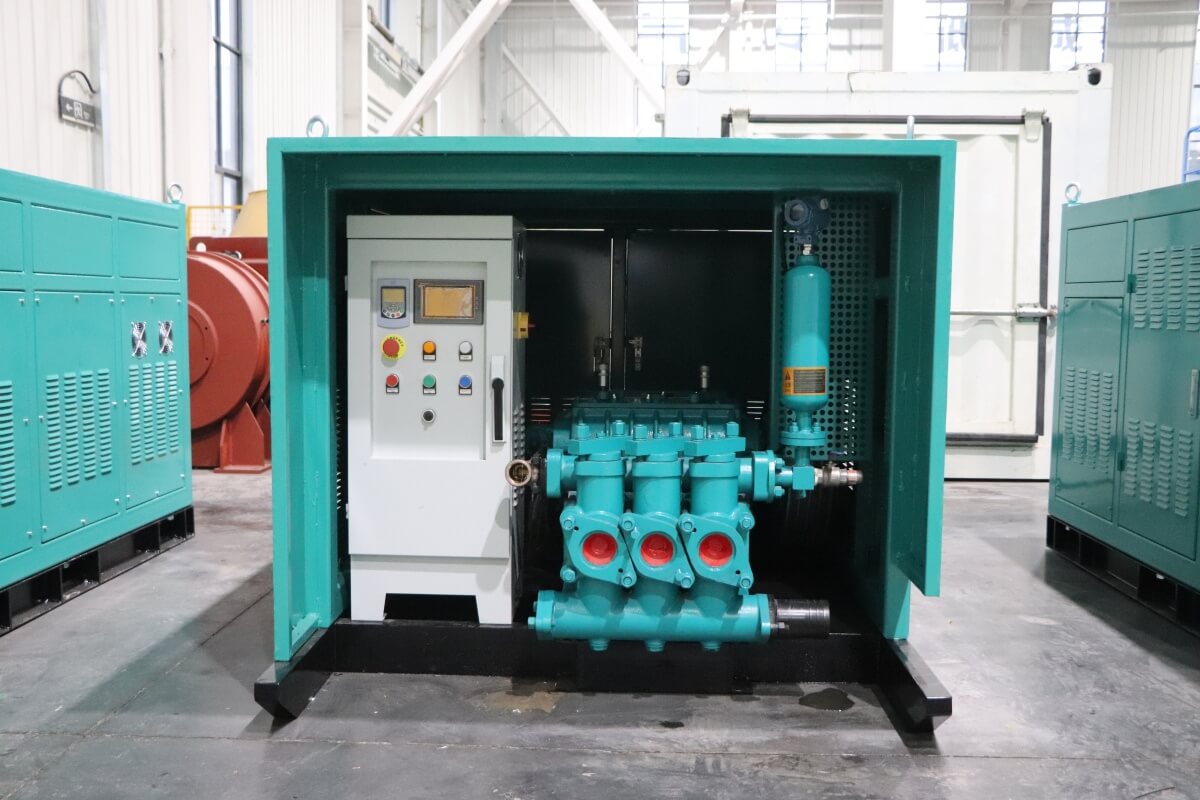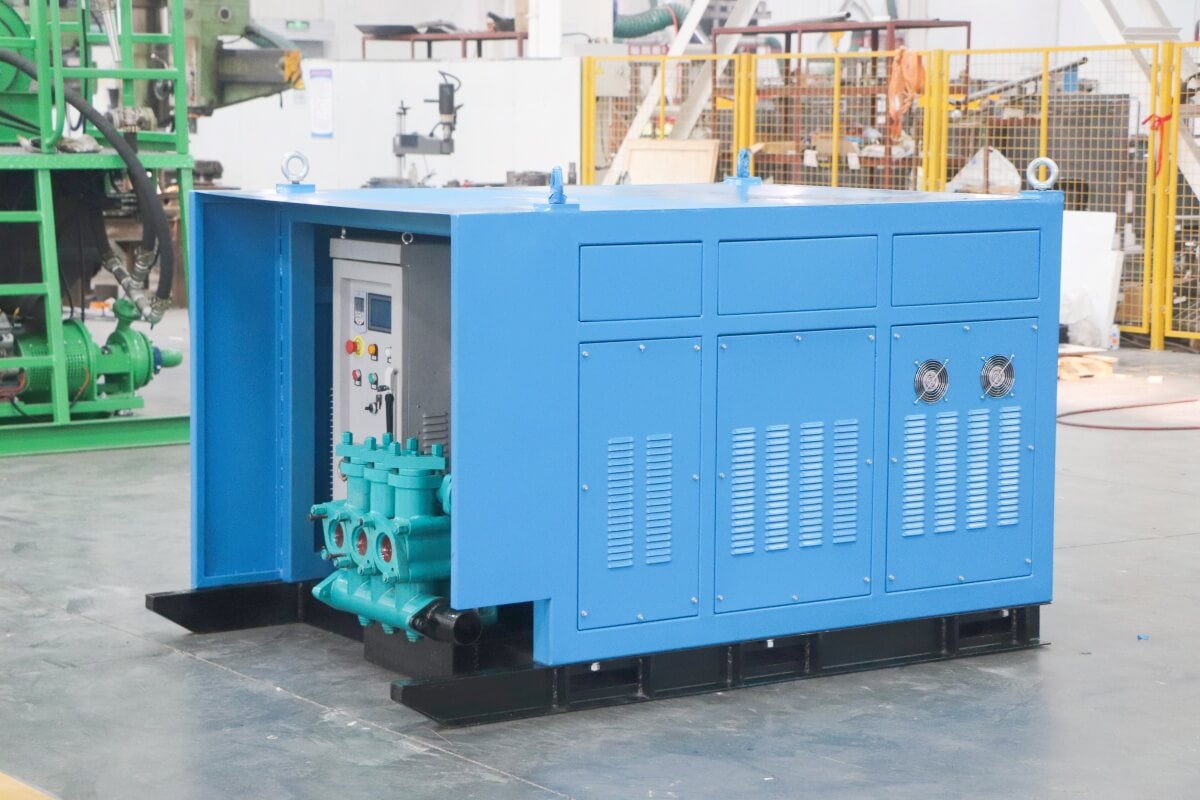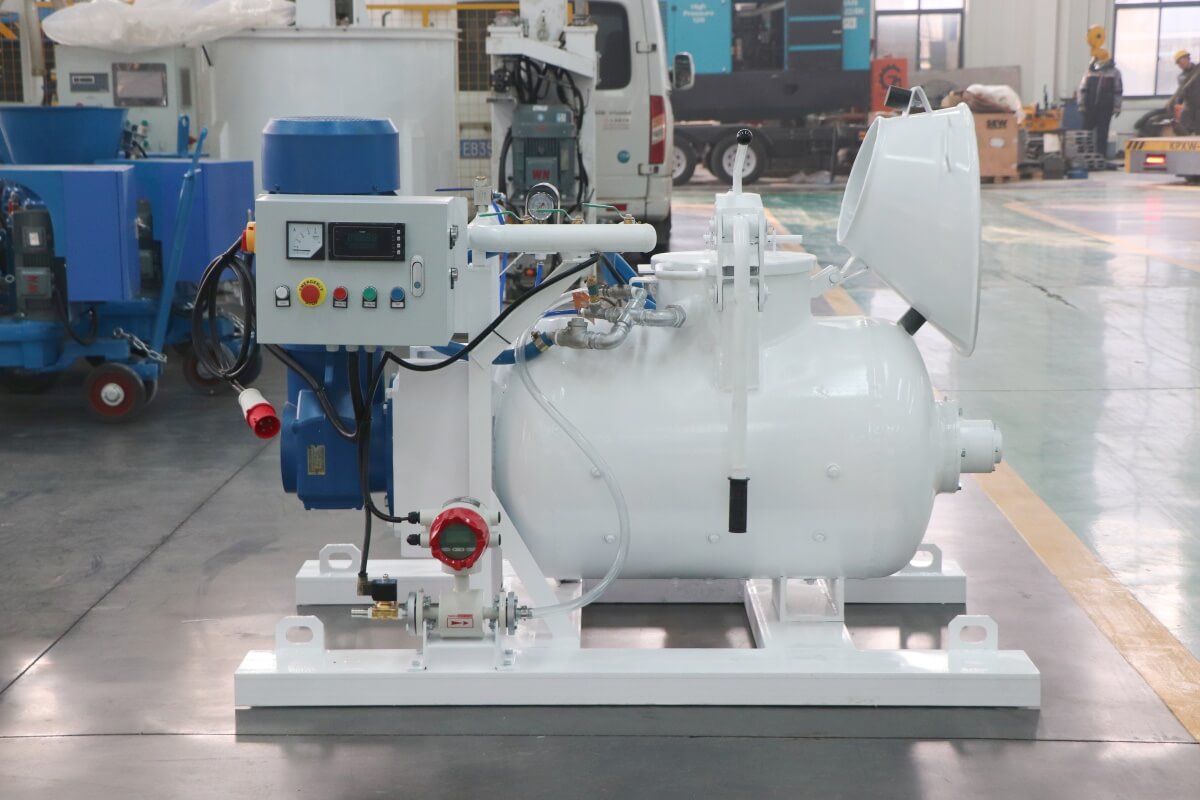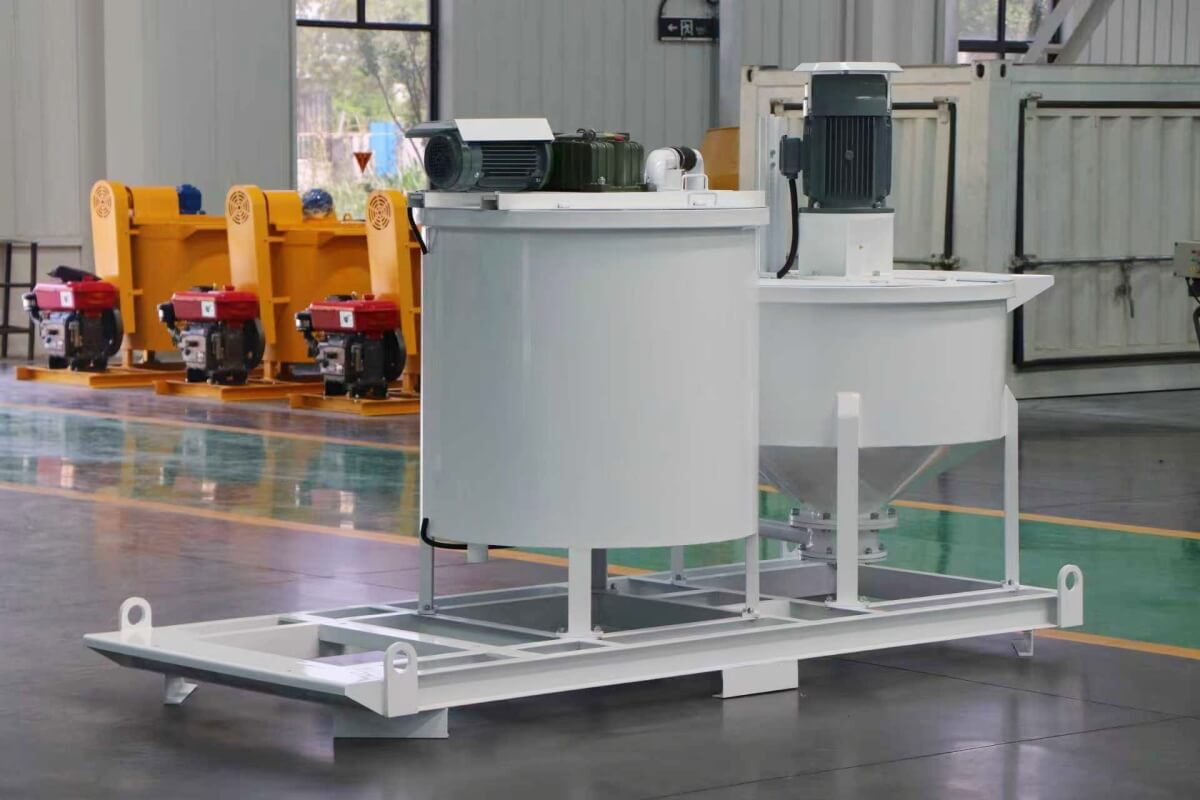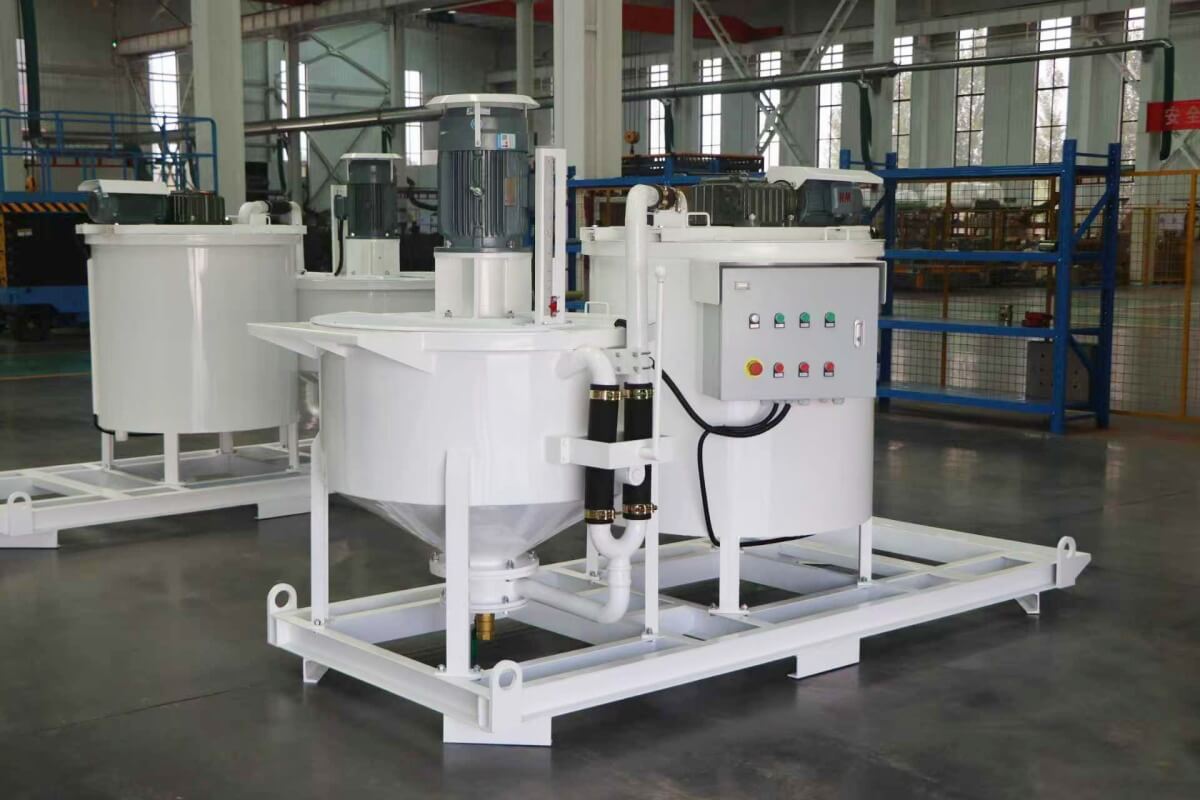
The bentonite grouting and mixing system for tunneling is an integrated slurry preparation and grouting unit custom-engineered for tunnel excavation projects. It is designed to handle key tunneling applications such as synchronous grouting for shield machines, annular gap backfilling, and borehole wall stabilization in complex geological conditions. The system supports operations including synchronous backfill grouting, slurry-supported micro-tunneling, diaphragm wall stabilization, and borehole wall support in complex sand-and-cobble strata, while also meeting requirements for drill cutting suspension and transport, as well as the lubrication and cooling of drilling tools.
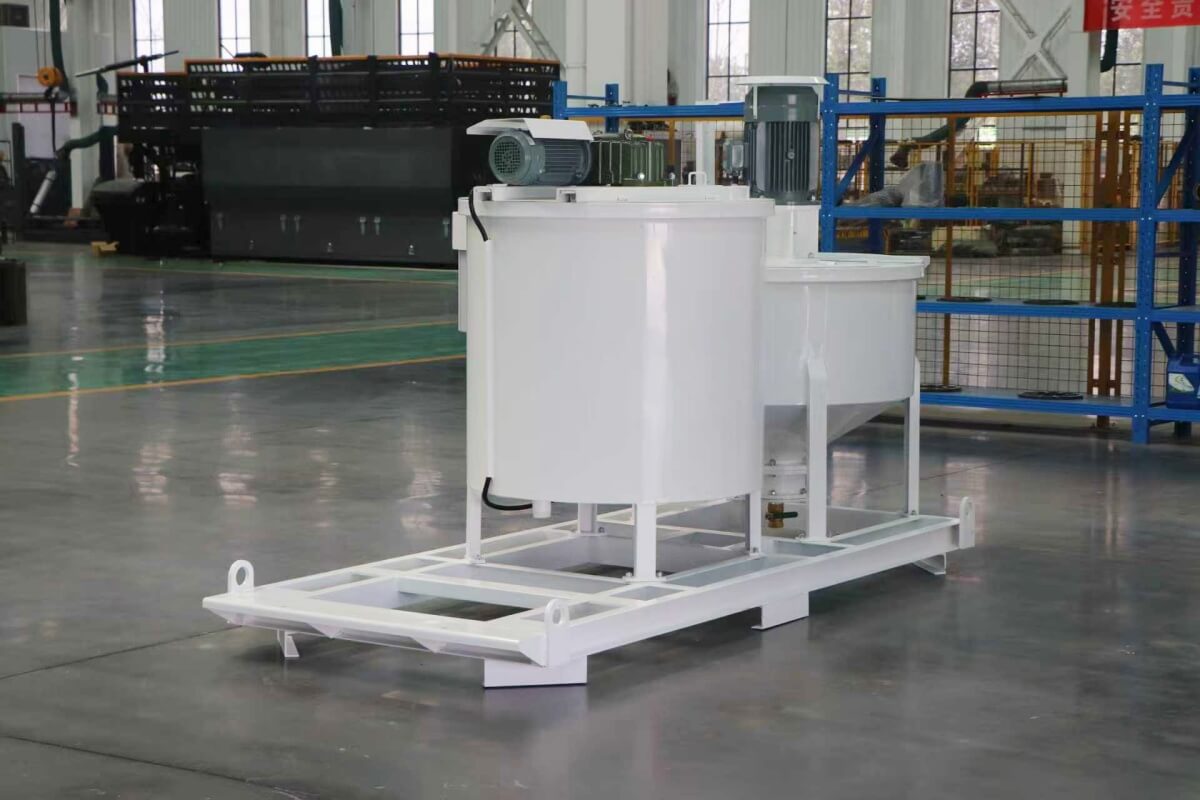
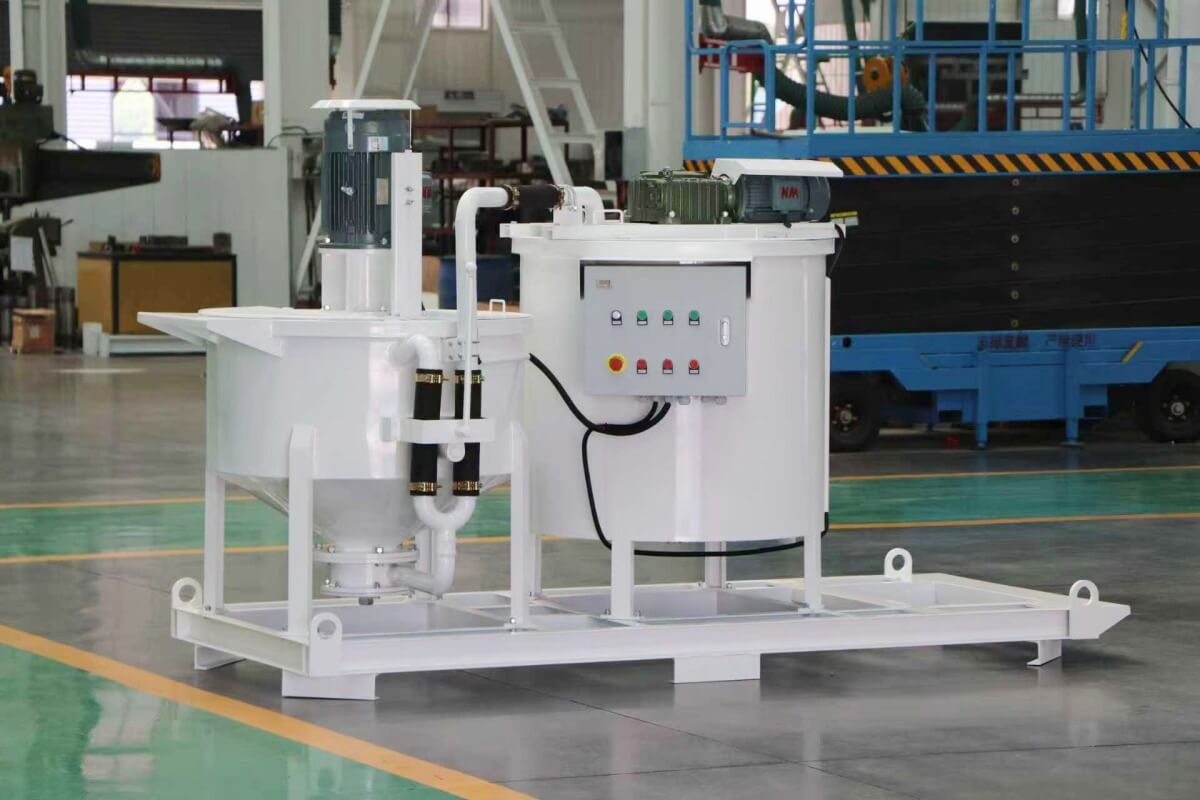
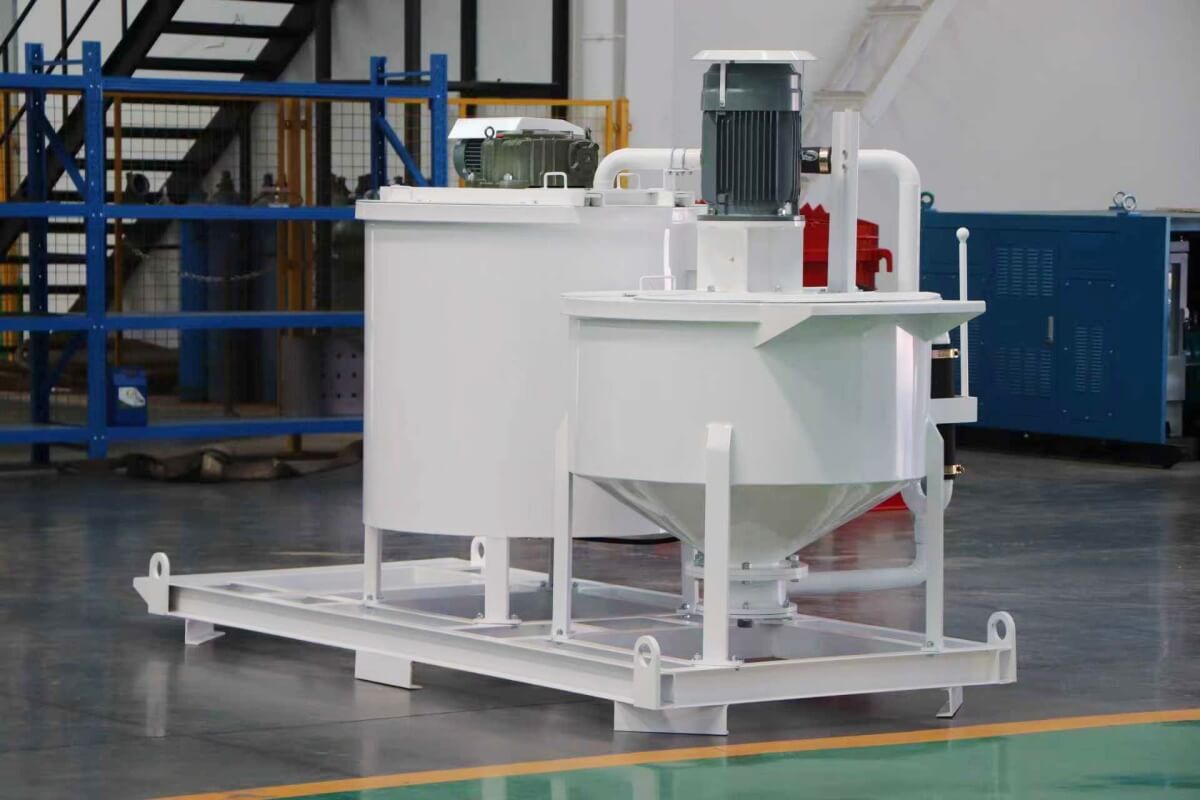
The Colloidal Grout Mixer Pump Unit is a compact grouting system developed for the preparation, storage and controlled delivery of cement-based and bentonite-based grout. By integrating a high-shear colloidal mixer, an agitating tank and a grout pump on one working platform, the unit provides a practical solution for contractors carrying out borehole injection, micropile grouting, foundation reinforcement and ground improvement work.
Specific applications of the Bentonite Grouting System for foundation work: Sealing leaks in existing concrete and masonry foundations Anti-seepage reinforcement for foundations of tunnels, sheet pile joints, and underground utility galleries Underwater grouting for soft foundations of immersed tube tunnels to minimize post-construction differential settlement Stabilizing loose soil layers and enhancing the overall structural strength of the foundation
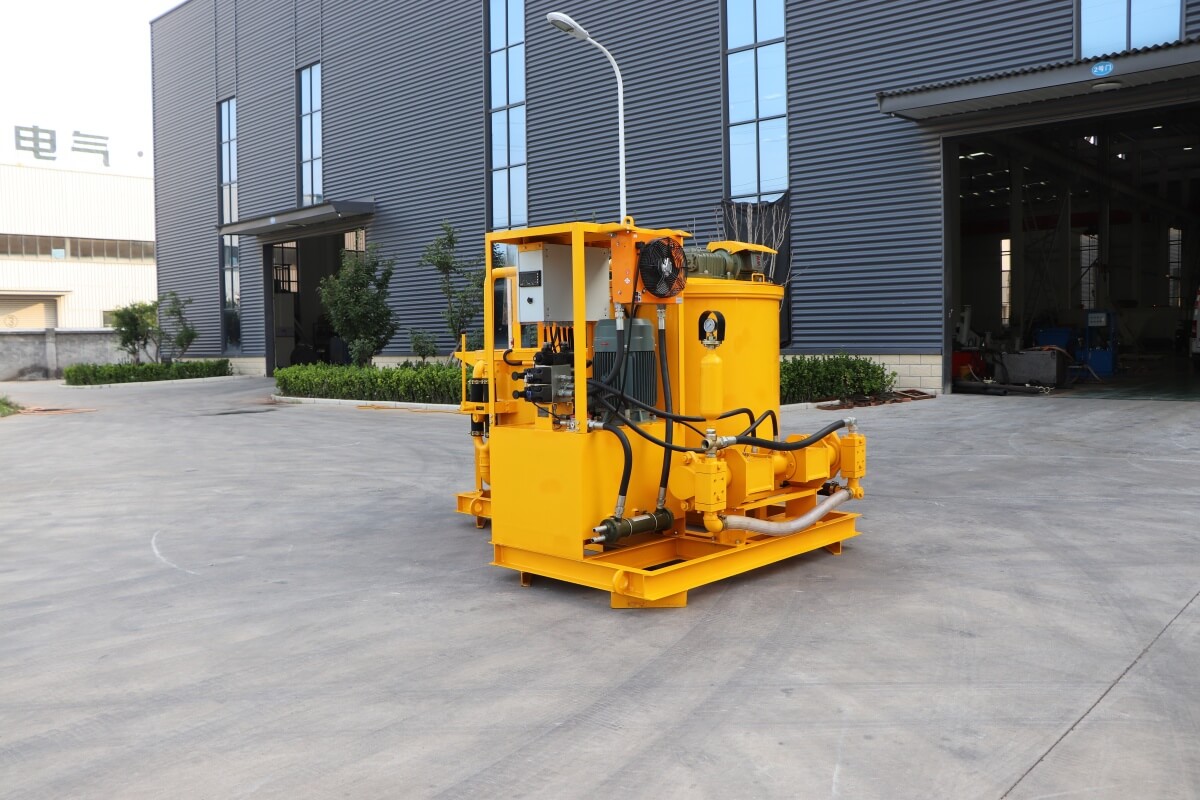
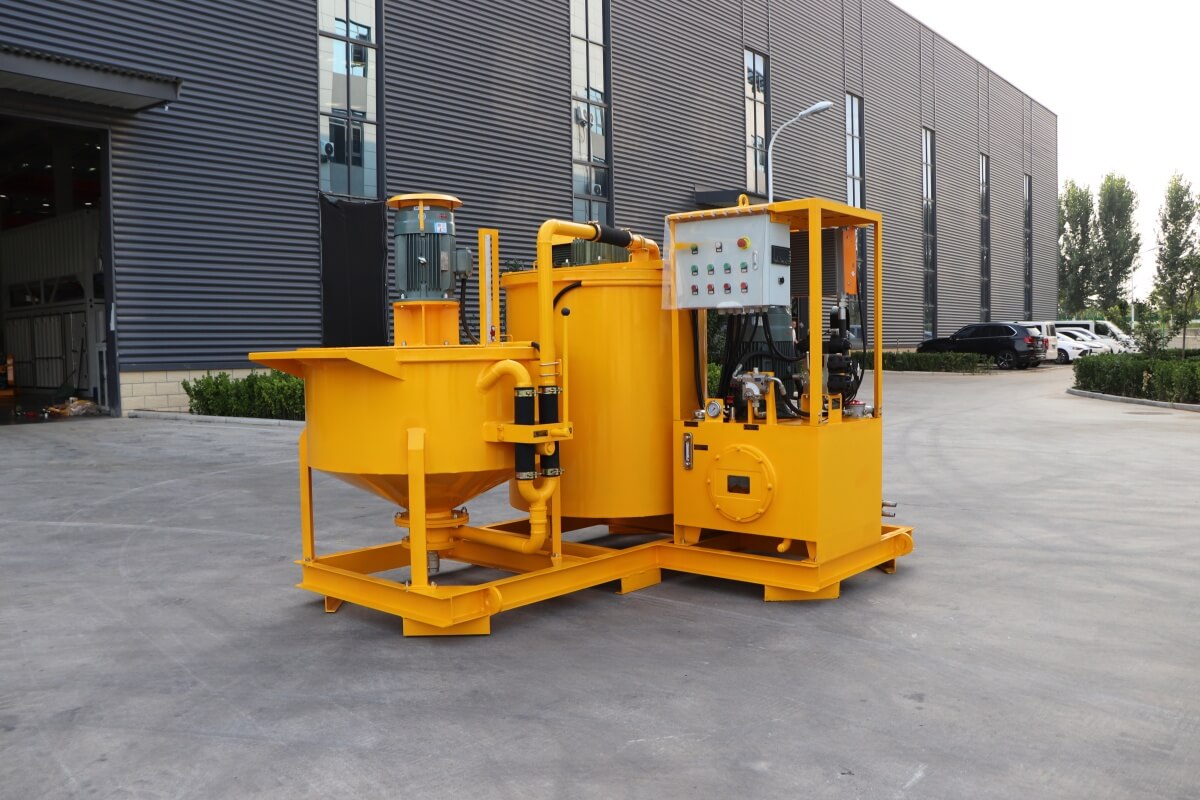
The Bentonite Grout Plant for Borehole Injection integrates a 500L high-shear grout mixer, a 700L agitator and a grout pump with approximately 100L/min output and 0-50 bar pressure. It is suitable for bentonite slurry, cement grout and cement-bentonite mixtures used in micropile construction, foundation reinforcement, soil stabilization, anchoring, tunneling and geological borehole injection.
A complete colloidal grout mixing pump unit integrates high-shear colloidal mixing and pressure grouting pumping into a mobile or stationary system. It is used to produce and inject cement, chemical, or polymer grouts into rock fissures, soil pores, tunnels, and structural voids.
The fully automatic cement grout mixer station is a newly designed, containerized, high-capacity grout mixer widely used in various grouting projects. Typical Applications: Tunnel & mining grouting (goaf filling, water sealing) Highway / railway / bridge foundation consolidation Dam & hydraulic engineering seepage control Underpinning & soil stabilization
A complete grout station for micropile projects is an integrated, skid‑mounted or mobile system that combines high‑speed mixing, agitation, and high‑pressure grout pumping to produce and deliver cement/bentonite slurries for micropile installation, foundation reinforcement, and pressure grouting. It ensures continuous, controlled grouting for reliable pile‑soil bonding and load capacity.
Leadcrete is Jet grouting pump manufacturers for many years. High pressure Jet grouting pump is designed and made for permeation grouting, compaction grouting, backfilling grouting, curtain grouting, high pressure split grouting, etc. grouting methods.
High-pressure cement grouting pumps typically employ a reciprocating piston or plunger structure. A crankshaft and connecting rod mechanism converts rotational motion into reciprocating linear motion of the piston, enabling the suction and discharge of the grout. Through the alternating action of the suction and discharge valves, the grout is compressed to a high-pressure state, and then transported through pipelines to the drill bit or grouting point.
The refractory concrete spraying pump uses a hydraulic or pneumatic system to deliver dry-mixed refractory materials (such as refractory castables and spray coatings) to the spray gun, where they are mixed with high-pressure water or air and sprayed onto the work surface. Its core principles include: Dual-cylinder alternating feeding: Similar to a dual-cylinder piston engine, one cylinder draws material while the other pushes it, achieving continuous and uninterrupted spraying and ensuring stable pressure. Hydraulic drive: A hydraulic pump provides power to drive the piston in reciprocating motion, adapting to the delivery of high-viscosity, high-density refractory materials. S-tube distribution valve: Automatically compensates for wear gaps, providing excellent sealing performance and reducing the risk of grout leakage and pipe blockage. Wear-resistant design: Key components (such as spectacle plates and cutting rings) are made of wear-resistant alloy materials, extending their service life.
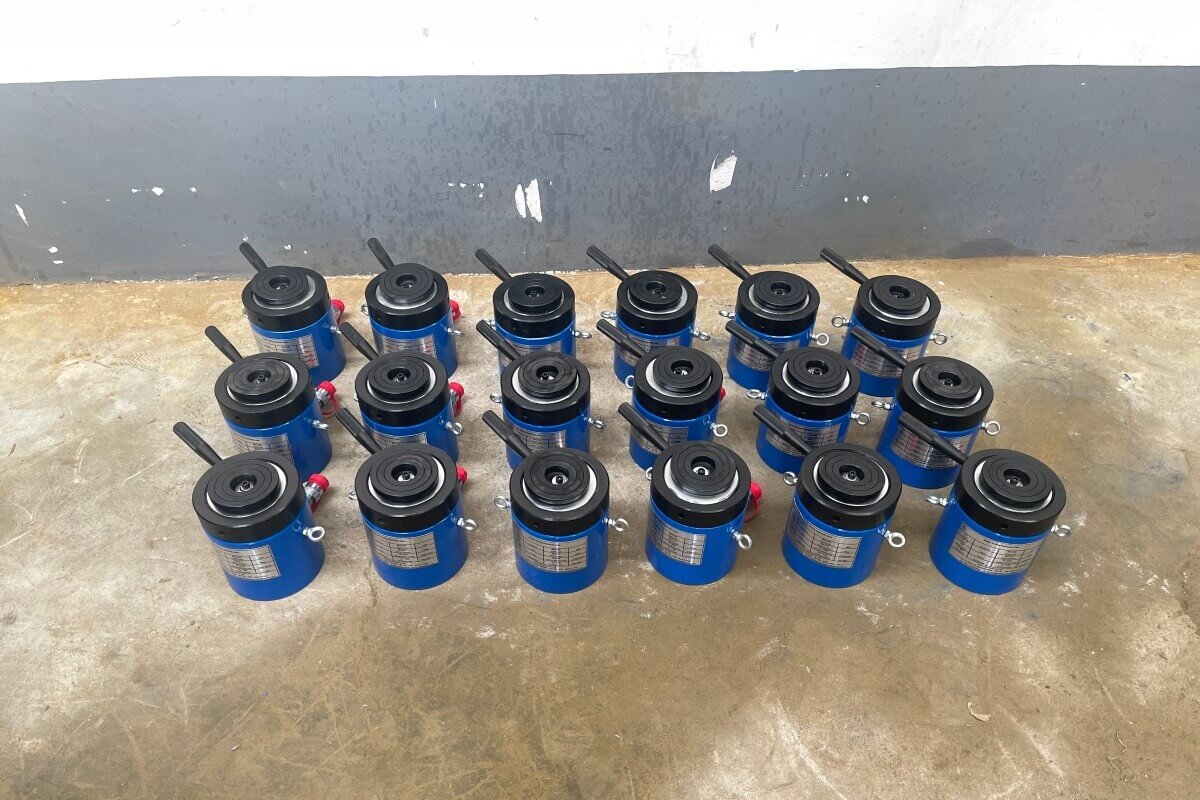
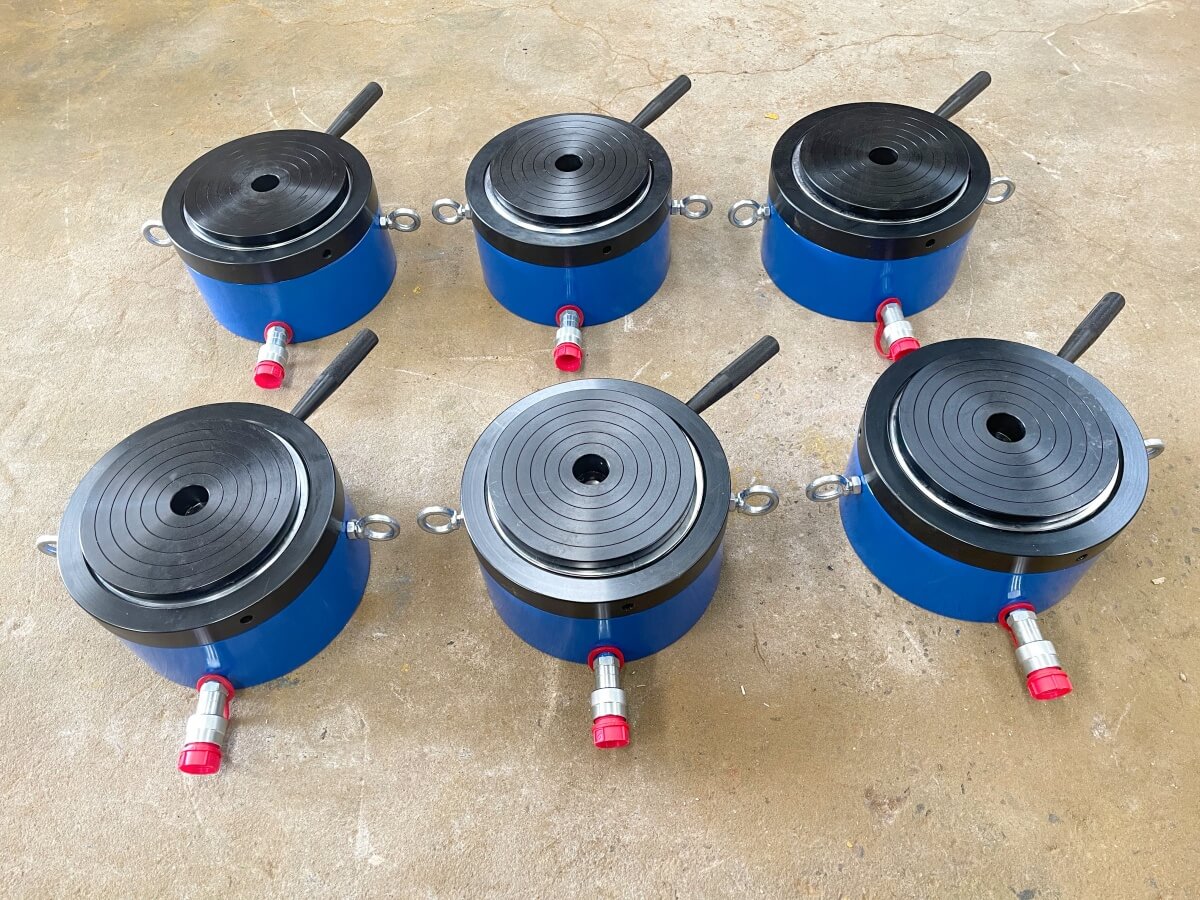
A self-locking hydraulic jack is a special type of hydraulic lifting device that uses a ratchet, pawl, or hydraulic lock to automatically lock the piston position after lifting to the correct position, thus maintaining the load for an extended period without the need for continuous hydraulic pressure. Prioritize products with CE and ISO9001 certifications to ensure reliable quality.
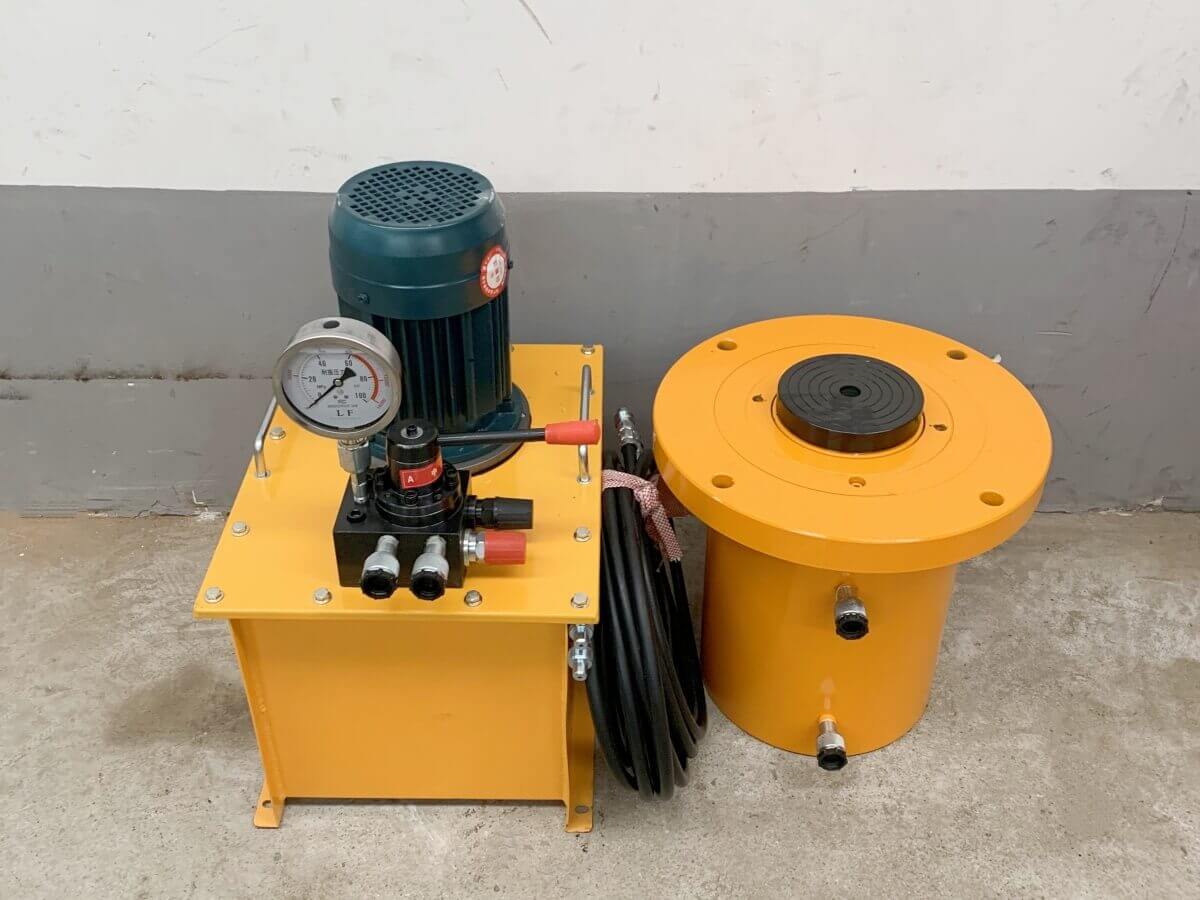
Double Acting Flange Lifting Hydraulic Jack is a robust and durable integrated hydraulic cylinder designed for harsh industrial environments. Its main advantages lie in its powerful and precise control during the lifting cycle, as well as its stable, built-in mounting design via the flange, making it a key component of robust and reliable mechanical equipment.
A Thin Type Hydraulic Jack (also known as a low-profile hydraulic jack or pancake jack) is a compact, low-height hydraulic lifting device designed for applications where vertical space is limited. Despite its small size, it can generate significant lifting force, making it ideal for tight spaces in industrial, automotive, construction, and maintenance settings.
A small colloidal grout mixer with agitator is a compact, high-efficiency mixing system designed for preparing stable, homogeneous grouts—especially those requiring full hydration of bentonite, cement, or chemical additives—in small- to medium-scale ground engineering, piling, and grouting projects.
A grout mixer for ground engineering applications is a critical piece of equipment used to prepare high-quality, homogeneous grouts for soil and rock stabilization, foundation support, water control, and deep excavation projects. These mixers are engineered to handle a wide range of materials—including cement, bentonite, microfine cements, fly ash, polymers, and chemical grouts—with precision and consistency.
An electric motor high shear grout mixer is a powerful and efficient mixing solution designed for the rapid and uniform preparation of cementitious grouts, bentonite slurries, polymer mixes, and other viscous construction fluids. These mixers are widely used in piling, ground stabilization, diaphragm walling, tunneling, and grouting applications where consistent, lump-free slurry is critical.
A bentonite slurry mixer is a crucial piece of equipment in geotechnical and piling construction, specifically designed to efficiently mix bentonite clay with water to produce a high-quality, stable slurry. This slurry is primarily used to stabilize boreholes during deep foundation works such as bored piling, diaphragm walls, and horizontal directional drilling (HDD).
Bentonite grout mixer for piling works is a type of equipment designed specifically for pile foundation construction. It combines mixing, storage, and pumping functions. It can efficiently mix bentonite, cement, water, and other materials, and inject the grout into the pile hole through a pumping system to achieve construction goals such as waterproofing, reinforcement, and filling.
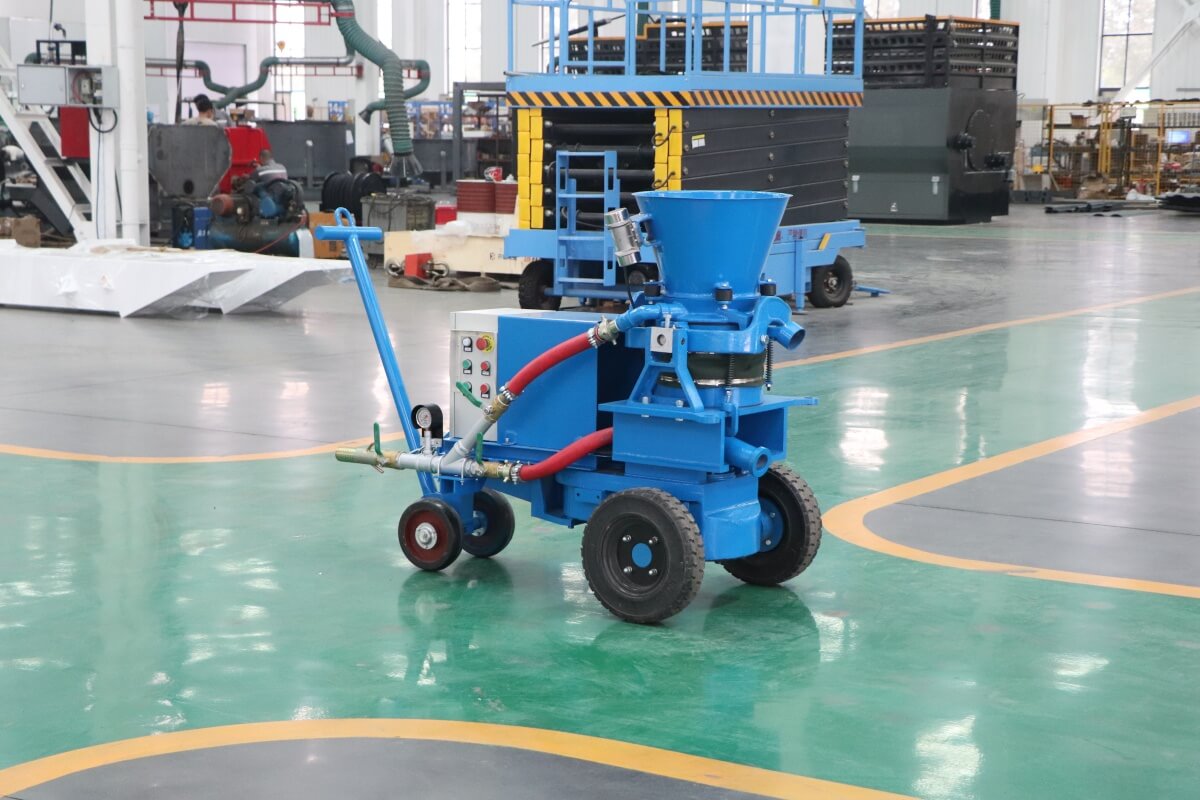
Portable refractory gunning machine common applications: Furnace relining (blast furnaces, EAF, BOF) Boiler and boiler arch repair Incinerator maintenance Ladle and tundish patching Cement kiln inlet/outlet zones Emergency hot repairs (using plastic refractories)
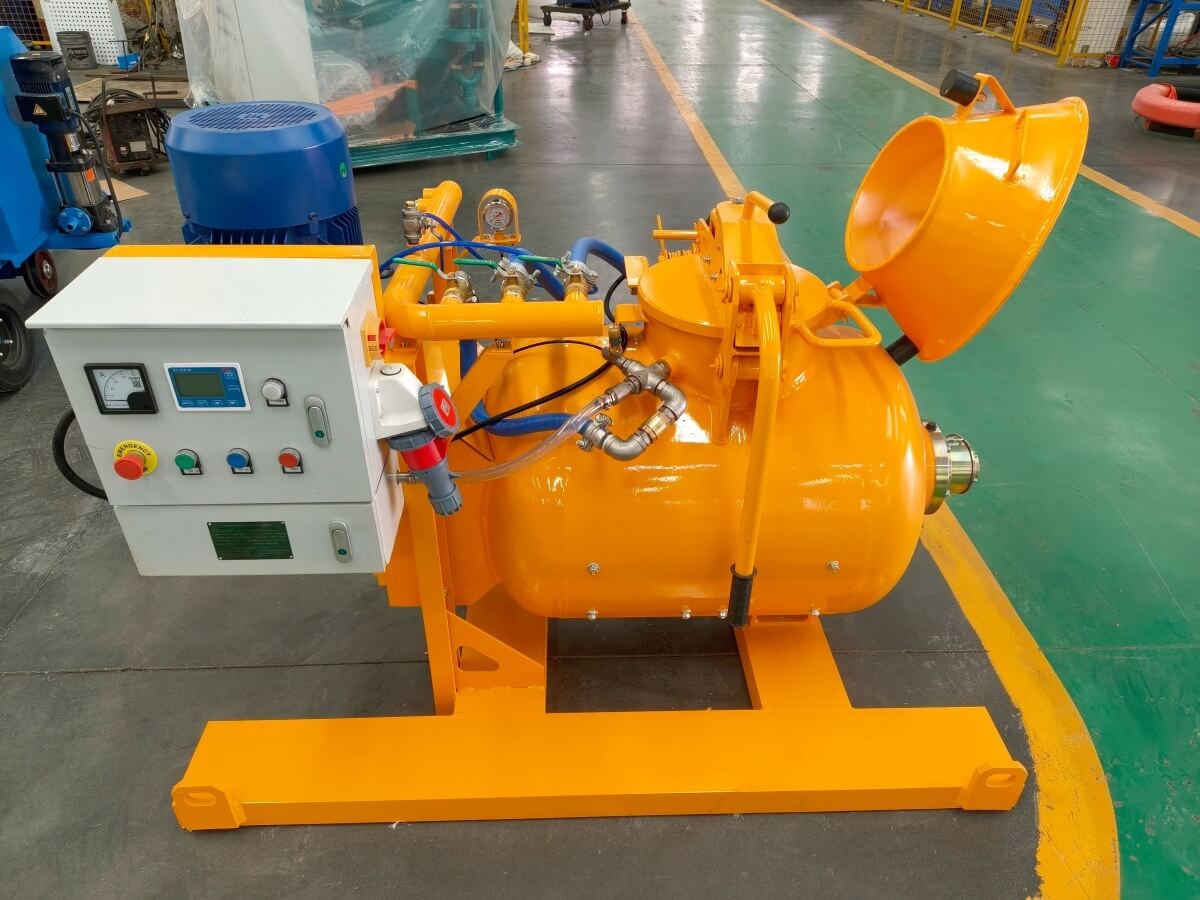
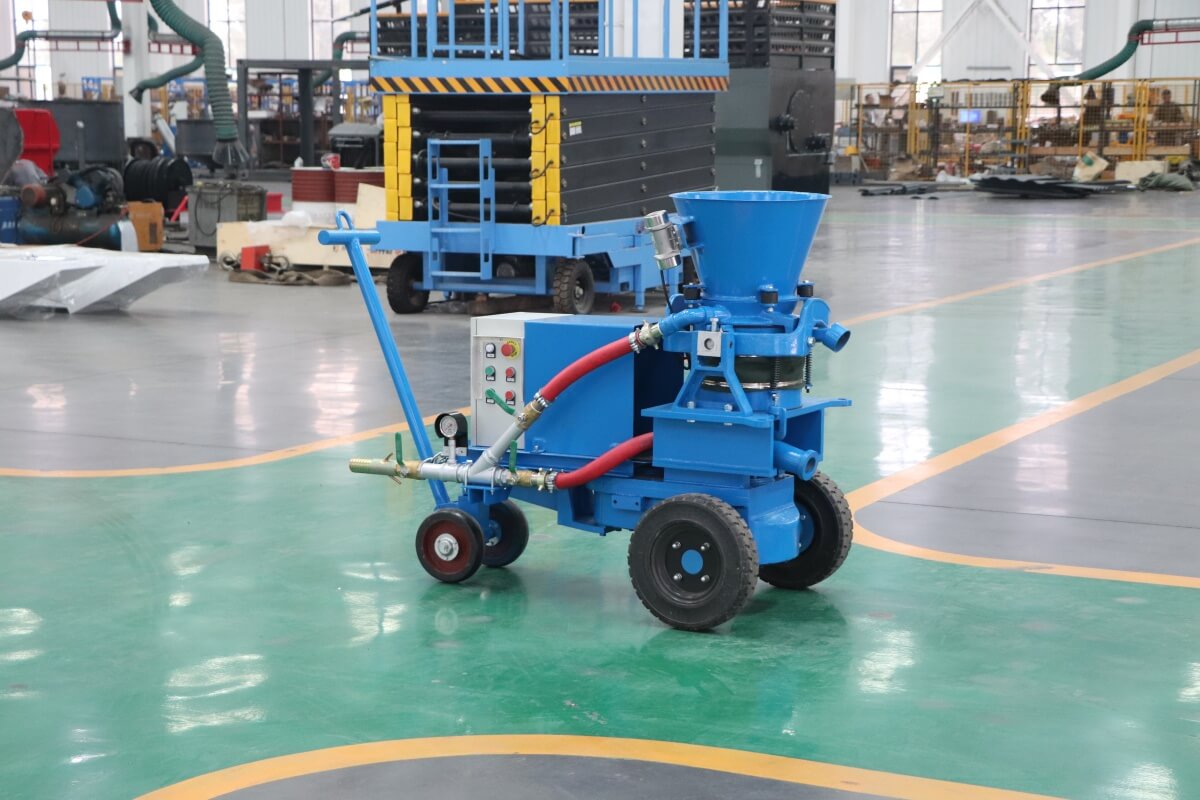
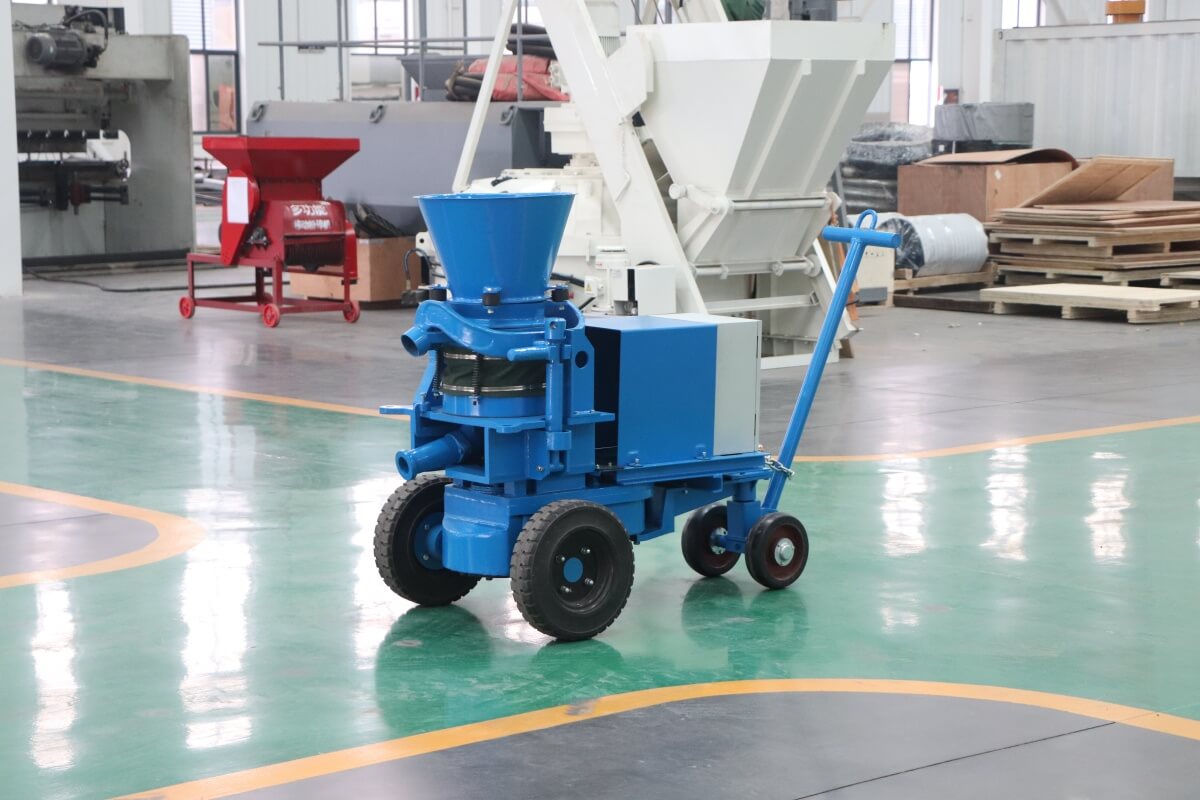
A portable shotcrete machine is a compact, mobile piece of equipment designed to pneumatically or mechanically project concrete or mortar at high velocity onto a surface. It’s widely used in construction, mining, tunneling, slope stabilization, and pool building due to its versatility and ability to apply material efficiently on vertical or overhead surfaces.
An electrical refractory gunning machine is a specialized piece of equipment used in high-temperature industrial environments—such as steel mills, foundries, and cement plants—to apply refractory materials (like castables, gunning mixes, or plastic refractories) onto the internal linings of furnaces, kilns, ladles, and other vessels.
Electric refractory spraying machine uses a motor-driven rotor or vibrator to convey refractory materials (such as refractory concrete and castables) from a hopper to a spray gun. Compressed air accelerates the material at the spray gun, spraying it at high speed onto the target surface, forming a dense, uniform refractory layer. Its key advantages are: Efficient application: Spraying rates can reach several cubic meters per minute, significantly reducing application cycle time. Precise control: By adjusting motor speed, air pressure, and nozzle angle, material flow and spray thickness can be precisely controlled. Adaptable to complex environments: It can operate in high temperatures, confined spaces, and on vertical or inclined surfaces, meeting diverse application needs.
Electric refractory gunite machine is used for industrial refractory installation: Furnace and kiln linings (steel, cement, glass industries). Boiler insulation in power plants
An electric motor-driven refractory gunite machine is a specialized construction device designed to spray refractory materials (e.g., cement, fire-resistant concrete, or ceramic coatings) onto high-temperature surfaces such as furnace linings, kilns, or industrial boilers.
China electric driven shotcrete machine is a construction equipment that uses electricity as a power source to spray concrete mixture onto the surface of a structure, widely used in tunnels, subways, underground engineering, slope protection, and other fields. China, as a major country in global construction machinery production, has several manufacturers with strong technical capabilities in electric shotcrete machine products.
A peristaltic squeeze pump is a specialized tool for pumping concrete where traditional pump valves would fail quickly due to clogging or wear. Its valveless design excels with aggressive, fiber-reinforced, or coarse mixes, particularly in medium-volume applications, confined spaces, or repair/grouting work.
A peristaltic pump, also known as a hose pump or tube pump, operates by mechanically compressing a flexible tube to move fluid through it. While peristaltic pumps are widely used in industries such as chemical processing, water treatment, and medical applications due to their ability to handle abrasive, corrosive, or shear-sensitive fluids without contamination, their use in pumping concrete is extremely limited and not common.
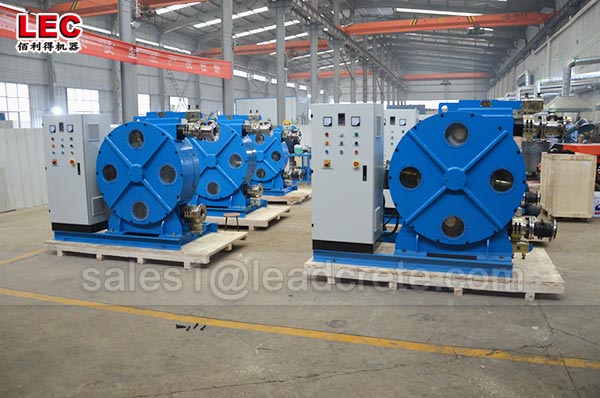
A peristaltic concrete pump (also called a squeeze pump or hose pump) is a specialized positive displacement pump designed to transport concrete, grout, or mortar in construction applications. Its unique operating principle—mimicking peristaltic motion (like intestinal contractions)—makes it ideal for handling abrasive, viscous, or shear-sensitive materials.
For precast concrete plants, peristaltic pumps offer a reliable, low-maintenance solution for handling abrasive, viscous concrete mixes. Their ability to deliver precise, pulsation-free flow reduces waste, improves product quality, and lowers operational costs—making them a preferred choice for high-output precast facilities. When selecting a pump, prioritize hose durability, drive system reliability, and integration with plant automation.
Hose pump for pumping solutions with low and high viscosity applications: Low Viscosity: Water treatment, chemical dosing, beverages. High Viscosity: Food processing (dough, mayonnaise), adhesives, ceramic slip, wastewater sludge.
*Please enter a message to us